Welcome to WASH News – your space to check in on all our project updates!
‘WASH’ stands for Washwood Adaptation Sustainability Hub and we are based at The Dolphin Centre and Ward End Park in Washwood Heath, Birmingham.
The WASH project, its volunteering, training, activities, growing and climate initiatives, are delivered by Norton Hall Children & Family Centre, a charity based in B8 that nurtures, inspires and empowers communities where everyone has the opportunity to achieve their full potential.
One of our larger-scale initiatives is the growing balcony (based at Dolphin Centre) and our community allotments (located in the garden of Ward End House). Produce from these two food sites is used in our Lakeside Cafemenus and shared at our regular Community Lunches.
Enjoy all our project updates and please get in touch if you’d like to arrange a WASH visit!
CLICK ON YOUR ‘BLOG OF CHOICE’ BELOW TO READ MORE!
It starts with Soil!
It all starts with soil. If your soil is poor, the plants won’t do well. It is important as gardeners to know you soil. We looked at several types of soil and when to use which in our pots.
What do you think is different about seed compost over multi-purpose soil?
We’re also prepping our Polytunnel ready for propagating seedlings and nurturing our plant ‘plugs’ for planting out once the weather has properly warmed up.
The polytunnel gives us a growing space that isn’t cold and wet, so we can protect delicate seedlings and young plants from both the weather and animals that like to munch on tender leaves.
The polytunnel is 3 metres by 4 metres and we love it!
Join us for a Festive community lunch!
WEDNESDAY 10th December 2025 | 1.00pm to 2.00pm
You are invited to our winter themed lunch is inspired by the Polish Galabki (pronounced go-wump-kee) a traditional winter dish of stuffed cabbage served with the last of our balcony tomatoes, turned into a rich sauce.
For dessert we are using the abundant carrots grown by the local college HBVC to make Gajar Halwa, all beautifully prepared and served at the Lakeside Café.
PLACES ARE LIMITED – BOOK EARLY! Please contact us to reserve your place no later than 31st October 2025 by contacting Jayne at urbanharvest@nortonhall.org.uk or call 07970 730646.
LOCATION | Lakeside Cafe, by the Dolphin Centre, Ward End Park, Washwood Heath Road, Birmingham B8 2HB.
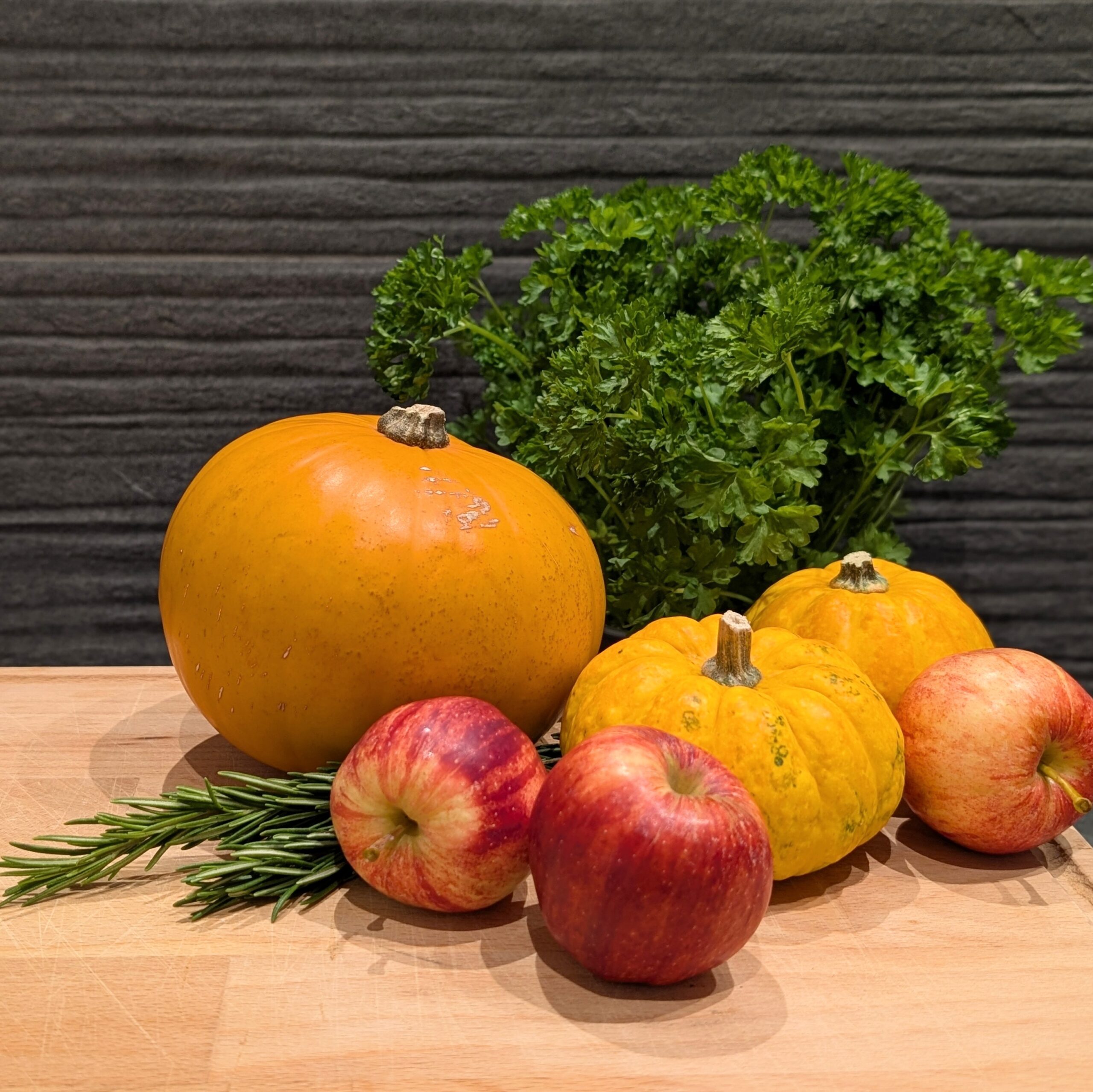
Join us for Pumpkin Soup, Pumpkin Soda Bread and Toffee Apple Cake!
WEDNESDAY 5th November 2025 | 1.00pm to 2.00pm
You are invited to enjoy a free community lunch made from produce grown on our WASH project balcony at the Dolphin Women’s Centre, then beautifully prepared and served at the Lakeside Café.
PLACES ARE LIMITED – BOOK EARLY! Please contact us to reserve your place no later than 31st October 2025 by contacting Jayne at urbanharvest@nortonhall.org.uk or call 07970 730646.
LOCATION | Lakeside Cafe, by the Dolphin Centre, Ward End Park, Washwood Heath Road, Birmingham B8 2HB.
Ward End Lemons – you heard it here first!!
We are seriously considering letting Kew Gardens know that it is possible to grow lemons in the Midlands.
Isnt it incredible? Citrus fruit outside ? Look at the lemon, it ripened, which is something I predicted wouldn’t happen.
I’m so proud of our balcony for growing such a big lemon.
And the yield on the limes …at least 12 limes!
Fermented Tomatoes
We fermented some left over green tomatoes. We made a salt brine, added some herbs and spices and dropped the tomatoes in. before fridges came into our lives, this was how we kept our fruit and vegetables all year round.
Food Scientists now think that many of our modern chronic illnesses are due to the lack of fermented food in our diets (they contain good bacteria – probiotics).
The taste takes some getting used to, but they are very good for our guts… and don’t they look tasty to add to your store cupbaord!
This has been our first full growing season here at the WASH.
The abundance has been incredible with a range of fruit, vegetables and salad items grown with many making their way to tasty, fresh dishes on the Lakeside Cafe menu or on your plates at our regular Community Lunches (check out our Facebook page for updates and new dates!).
Courgettes
Every grower loves courgettes, the plant that keeps on giving. The more you harvest them the more that grow back. Most gardeners are sick of the sight of them on their menus at home by the end of summer.
We made deep fried courgette flowers with the pretty heads that most people throw away, (except the Italians, who know their veg.)
Delicious!!
One fruit – just the one!
This year we had plenty of food to harvest on the balcony, but from our plum tree and the Olive Tree we only got one fruit – literally one!.
How can that be? There were lots of flowers so I can only conclude the bees weren’t keen and didn’t pollinate like they should. We may never know why.
Who got the plum? Jayne our balcony guru.
Who got the olive ? Nabila, the Lakeside Café Manager because she’s Moroccan of course!.
Our first Community Lunch is happening!
WEDNESDAY 16th July 2025 | 12.30pm to 2.00pm
You are invited to our first community lunch made from produce grown on our WASH project balcony at the Dolphin Women’s Centre, then beautifully prepared and served at the Lakeside Café.
On the menu are a tasty Taco Bean Salad with fresh Urban Harvest herbs and leaves, followed by dessert (we haven’t decided what it will be yet!)
PLACES ARE LIMITED – BOOK EARLY! Please contact us to reserve your place no later than 31st October 2025 by contacting Jayne at urbanharvest@nortonhall.org.uk or call 07970 730646.
LOCATION | Lakeside Cafe, by the Dolphin Centre, Ward End Park, Washwood Heath Road, Birmingham B8 2HB.
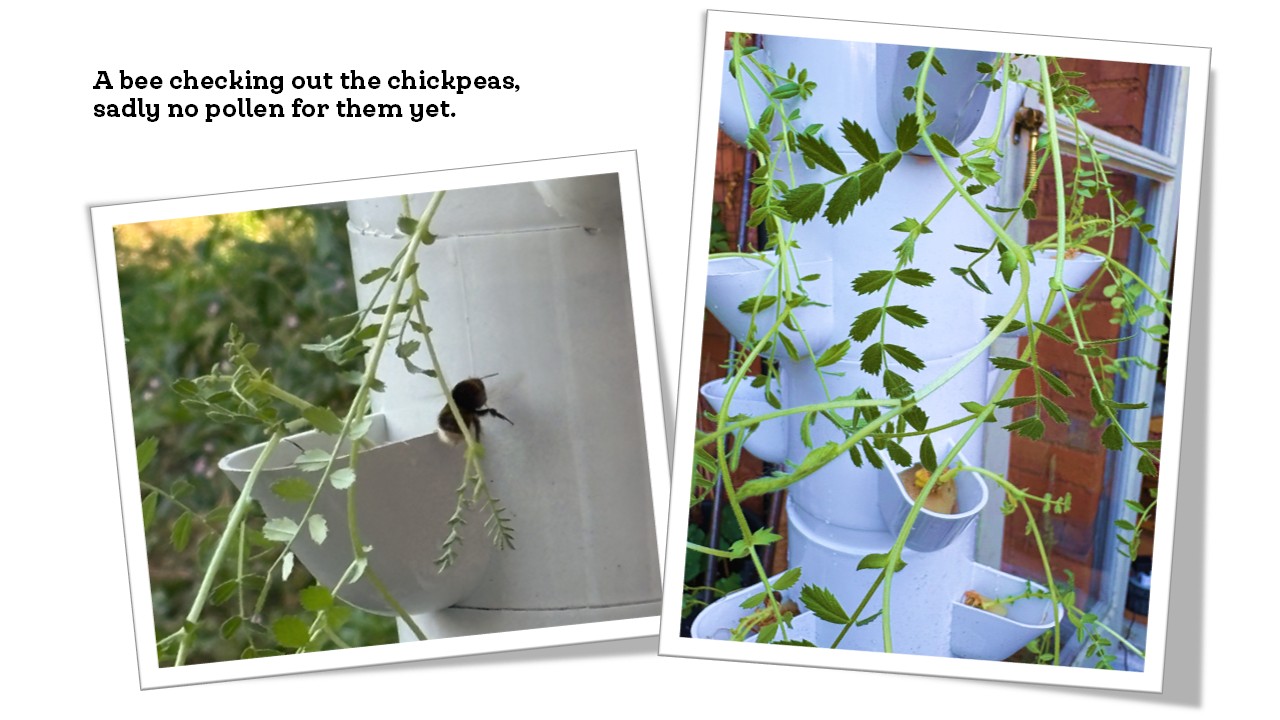
We think we can grow chick peas, but I’m not so sure yet.
We want to grow chick peas.
Why? Why not.
Chick peas are beloved by the nation, not just here in Ward End.
Hummus has taken over the culinary snack world and for good reason. It is cheap to buy, easy to make, nutritional and tasty.
The chick peas are growing in a hydroponic tower. We have used a nutrient rich water to sprout and grow them and now they sit an a foam cube rich with the fertilised water.
They are a big stringy so we’re not convinced they will bear fruit this season.
What would grow well in our hydroponic tower?
The herb wall we planned was much anticipated, but it needs irrigation to really hit the mark.
The plan for the wall here was a herb wall – a deep green haven for bees and a plentiful supply of herbs for the Café.
We’ve planted: MINT, OREGANO, CHIVES AND BASIL.
The herbs are wilting after a day, only the woody herbs like rosemary and thyme are surviving the heat of the balcony.
However, the posts are small and not retaining water enough despite having troughs within the pots. We’re not sure what will grow here without an irrigation system.
Any ideas for what plants love dry soil?
We are growing lemons on our Mediterranean balcony, but will they ripen?
The most exciting garden news – we are able to grow on our balcony!
We bought a small lemon and a lime tree. We think the balcony is hot enough to grow the trees and maybe to bear fruit.
We have a massive amount of blossom. which are all turning to fruit. Below is the picture we took when it arrived. In two months the fruit has increased by about 200%
Citrus fruits are usually harvested in the autumn, with ripening happening in October/November. Will we keep the heat long enough on the balcony to enable the ripening process?
Watch this space as they say!
We soon worked out that raised beds dry out faster than small pots!
Keeping the beds hydrated is the real challenge for the balcony garden. With no water to draw from the ground we need to keep the beds topped up regularly with water. We are find the smaller window box pots and the vertical pots are struggling, needing water every day.
We’re trialling using slow drip bottles and pipettes to keep the hydration levels up and it seems to be working. We fill bottles with water and we found some slow release tops that control the amount of water dripping from the bottles. These take about 2-3 days to empty, which is enough to keep the plants watered until we can get to them.
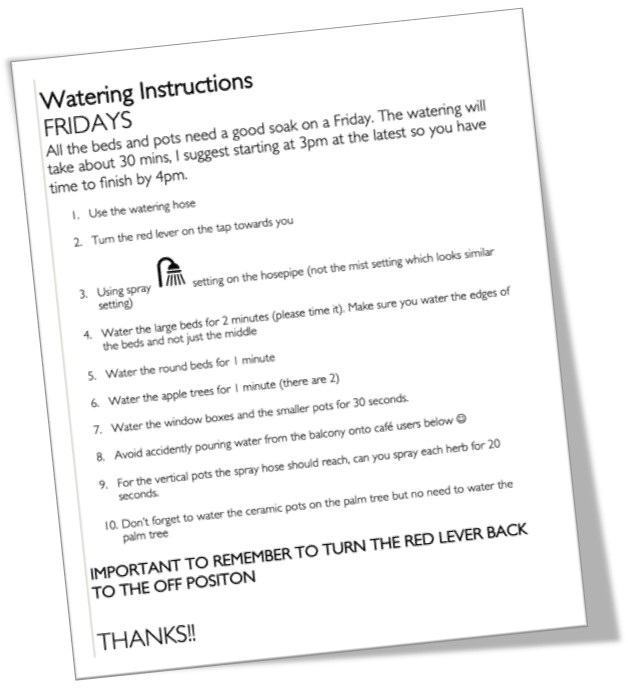
2025 has been the driest spring for a while, it has been a sharp learning curve in how to water the crops effectively. The garden has survived by employing a consistent watering plan.
One of the best ways to connect people to nature is through food, and we’re loving our Mediterranean diet inspired garden.
Here at the Dolphin Centre, we are growing food on the balcony above the café. We’re growing crops that love hot weather, we call it the Mediterranean Diet Garden.
Our crop planting includes courgettes (see pic below), tomatoes, a herb wall and some experimental citrus fruit trees!
Making connections between what we eat and where it comes from, witnessing the ‘seed to plate’ journey brings nature to life and inspires us to make connections to our culture and personal well-being.
We grow in pots, containers and raised beds. We have the benefit of the sunny position overlooking Ward End Park Lake, but in what looks like the perfect spot is in fact our challenge, keeping it cool and watered to get the best out of the produce we are nurturing.
Kale is loved by us and the caterpillars, but because we love nature, the caterpillars are welcome to stay and contribute to our project’s bio-diversity.
We chose to grow Kale rather than cabbage because it is quicker to grow, you can leave it in the ground and cut the leaves.
Caterpillars seriously love kale!
Caterpillars are cute and you don’t see so many these days. We are monitoring our caterpillars so they don’t destroy our crop, but there’s no harm in allowing a few to stay who eat other bugs.
Washing before prepping is essential of course. Add a teaspoon of salt to a bowl of water to release the bugs and caterpillars from your leaves and then rinse three times.
Kale is also a superfood, loved by nutritionalists and it cooks in seconds.
At the Lakeside Café we are using it to add to pakoras, or we sometimes switch kale out for spinach. It has the advantage of not being too wet like spinach so you keep quite a bit of the fibre when you eat it.
Love a Kale Caesar’s Salad > recipe here but you really need to enjoy your greens to appreciate it!
Note: remember to remove big stems and adding the oil and salt at the start to tenderise the leaves is essential.
One of our main aims is to use the balcony garden to teach people how to grow their own food. We love the idea of the window box as a starter container to ‘grow your own’.
Window boxes offer several benefits for growing food, especially for those with limited space. They provide good drainage, are easy to manage, and can offer a great start to growing your own food, building confidence to go bigger!
Here are some of the benefits:
Space-saving Window boxes are ideal for small gardens or balconies.
Easy management They are manageable for beginners, and the limited size means they are easy to spot weeds and pull them out.
Good drainage Window boxes ensure good air circulation and drainage, which is important for healthy root growth.
Variety of growing conditions Different window exposures (sunny, partial shade, etc.) allow you to grow a variety of herbs, vegetables, and flowers.
Potential for increased yields With careful crop selection, you can harvest surprising yields from even a small window box.
Sheltered environment Being against a house wall can offer some protection from cold and moderate temperature extremes.
Educational opportunities They can be a great way to teach children about gardening, the environment, and sustainable practices.
Accessibility They can be a good option for people with mobility issues or back problems.
Longer growing season Small beds can increase growing season as warmer plants grow faster, hence more harvests.
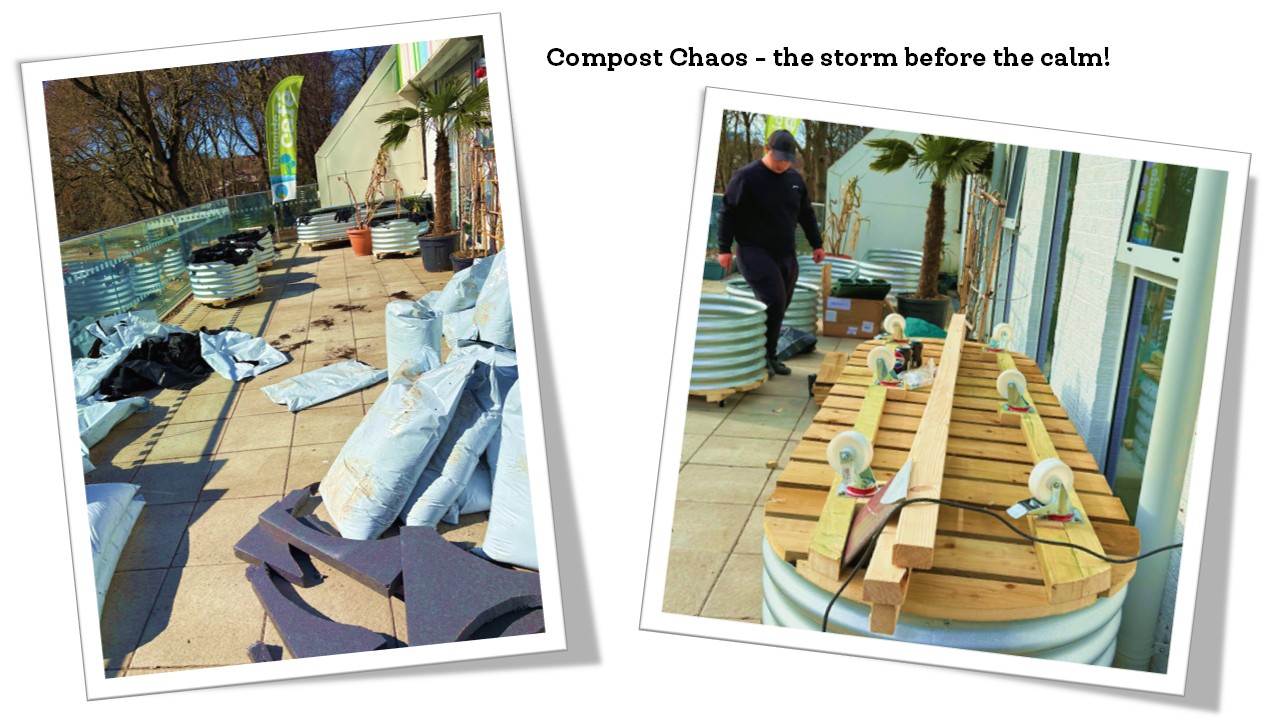
Building the beds was fun – until the compost arrived!
From February to April in 2025 we constructed the raised beds for the balcony. We chose metal beds. We debated over wood or metal. One is cooler (wood) but will eventually rot and also holds water (weight is an issue for any roof top grower). Metal lasts longer and is thus more sustainable. Metal is hot to touch and we know heat will be an issue for us. The metal beds matched the cladding covering the Dolphin Centre and we wanted the garden to feel it suits the building and is part of the centre. So metal beds won.
Given we had seriously considered the weight issues and resolved to load the bottom of the beds with hard polystyrene, we had to consider how we might move the beds knowing the weight of wet soil (see post on weight bearing). The answer was wheels! It was a stoke of genius on my part to put wheels on them. I was worried about the lack of shade on the balcony and imagined moving the beds to avoid full sun.
Beds that we can move
We placed wheels on the beds so we can move them to suit our flexible needs. Yes, it was Jayne’s idea – she’s a genius!
In reality there is no shade! At some point in the day the balcony gets the full sun, we rarely move them for shade purposed, but we are pleased we can move them for other reasons such as events and to fill the beds as we need to.
We ordered over 80 bags of sandy soil and compost. They were filled over two days and, no, we never want to see another bag of compost again!
The first job was to check the weight bearing capacity of the roof!
The first email that was sent when we decided to put raised beds on the cafe roof was the check the load bearing capacity of the balcony.
We liaised with the engineers, GHW Consulting and the architects Stride Treglown who worked on the refurbishment of The Dolphin Centre to ask about our weight issues. The balcony is designed for a load of 5KN/sqm (500KG/sqm). We have 43sqm of space so we can carry 21,500kg. If the average adult weighs 100kg (that’s a heavy person) we can have 215 people weighing 100kg on the balcony (that’s impossible!) It did reassure us that we could easily put beds on the balcony.
To be extra safe we layered lightweight panels to reduce the amount of soil we needed. We wrestled over the materials, preferring a natural material for the layer. The reality however is that a natural material our eventually breakdown and we would be left with organic matter with the weight implications therein. So we used insulation panels that would withstand moisture.
So, what’s the weight of the raised bed I hear you think? Well the size is .80cm x 240cm x 40cm deep. The full wet soil calculation is 1,500kg. were only filling 50%-75% with soil making the average bed 1,000kg. We could have 21 beds on the roof but we only have 8 (8,000kg), leaving room for lots of heavy people to visit!
If you want to understand more about weight / soil calculations here is the table we used.
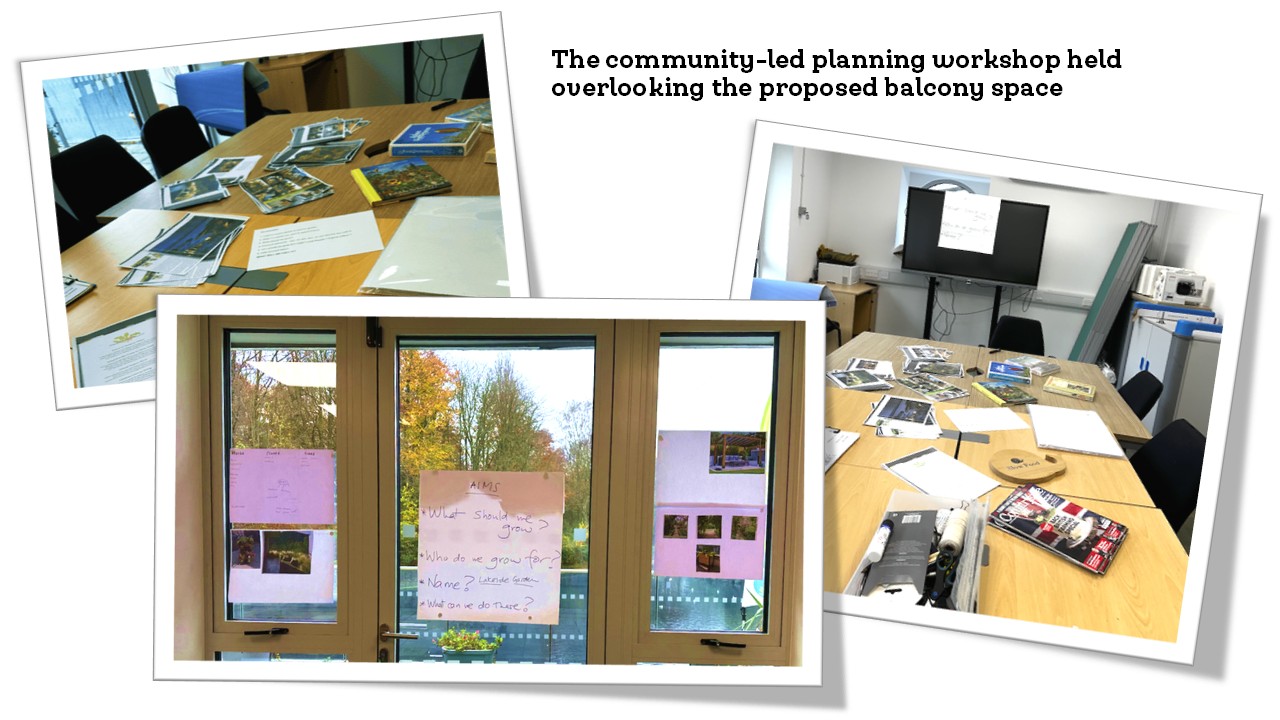
The early concept for the balcony was developed with a co-design workshop in November 2024. Six local women joined a session on the designs for the balcony and explored what were the key issues for the design.
We used images of other gardens, vegetables and containers and asked the participants to develop their own garden proposals inspired by the ideas from the precedents. We then explored the type of plants and crops we should grow. The strongest feeling from the session was to create the a social space, to be allowed to be amongst the plants.
The workshop generated this vision for the balcony:
The Balcony Garden will be an outdoor classroom for gardeners. It will be a place to teach the stages of how to grow with areas to teach propagation, fertilising, watering, growing on, repotting, pollination, ripening, harvesting.
The Balcony will have tables and chairs and have a social function, a place to hang out
The project will aim to be teach the principles of self-sufficiency and grow your own
The garden will also demonstrate the power of garden activity and home-grown food for wellbeing and the benefits of vegetables and plants for our health.
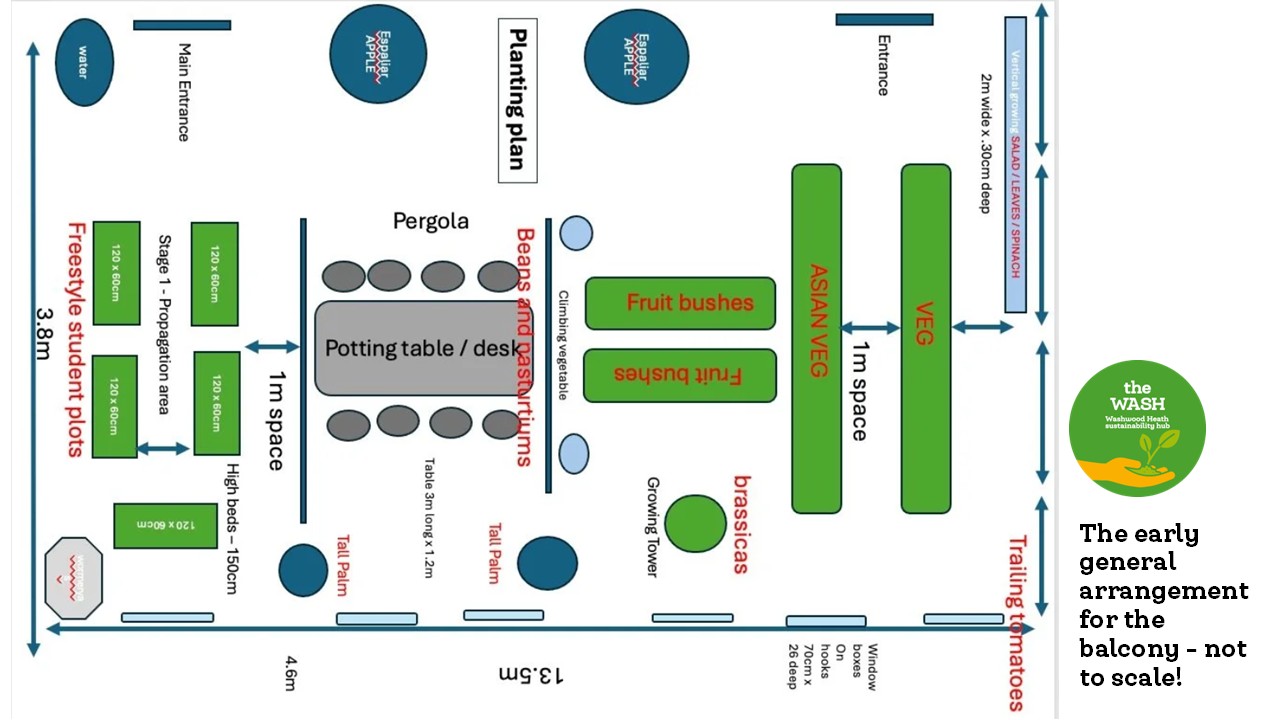
The garden was then developed into a proposal for the grow space around the need for access and to create an outdoor classroom. See blog post on the Design: constraints & opportunities.
How many Cafés in the city have the space to grow their own produce?
In September 2024, we began the process of transforming the balcony at The Dolphin Centre, into a growing space for the cafe. The balcony space offers a unique opportunity to create a café that uses its own-grown produce and to fully demonstrate the aims of the WASH project.
The idea to grow food on the balcony of The Dolphin Centre, which was under used, had been in the minds of the staff at the centre since the Café opened. However, most importantly, the balcony garden adds to the range of learning opportunities.
Slow Food Birmingham was recruited to lead on the development of the growing space. Slow Food’s values resonated with the aims of the project to teach a more sustainable & fair food supply.
The brief for the development of the kitchen garden on the balcony was:
To design and develop a fully detailed plan for the roof top allotment terrace. This will include a complete structural design of the terrace, considering climate implications, water irrigation, what we grow, and how we do it etc.
Overseeing the overall installation of rooftop terrace structure and any accompanying infrastructure that supports the rooftop terrace in the community allotment area (i.e. composting facilities and wormery etc?) Ready for planting in March 2025.
Supporting the Dolphin Centre staff and volunteers to commence a programme of planting and producing a seasonal crop rotation plan and maintenance plan – for volunteers/staff going forwards.
Working with team at Dolphin Centre and other partners to develop an environmental learning programme.
The Dolphin Centre balcony will be a space where local people will learn how to grow food in small urban spaces; how to grow food at home with no budget and limited space. We will grow in window boxes, sacks, bins and pots and support people to feel confident to grow at home.
The crops used the for the learning will be used by the café, to become their ingredients to develop a menu. We intend to work closely with the staff to develop recipes and ways to be creative with the crops.
Thanks to National Lottery players, Norton Hall Children and Family Centrehas received almost £600,000 from The National Lottery Community Fund, the largest community funder in the UK.
We use cookies to ensure that we give you the best experience on our website. If you continue to use this site we will assume that you are happy with it.Accept